Article Directory
Generated Title: SpaceX's Launch Doubleheader: Impressive, But Is It Sustainable?
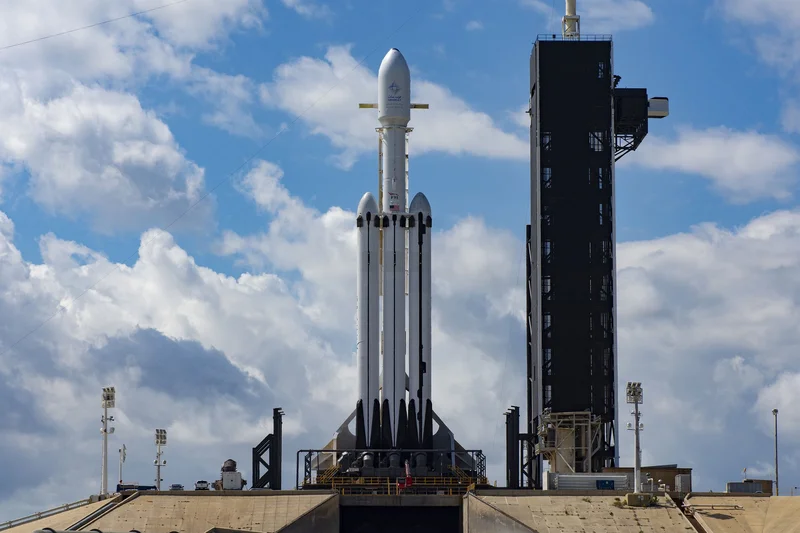
SpaceX did it again. Not one, but two Falcon 9 rockets launched within four hours of each other from Florida's Space Coast on Friday, November 14th (becoming Nov 15 GMT). One from Kennedy Space Center, the other from Cape Canaveral. SpaceX launches 2 rockets less than 4 hours apart from Florida's Space Coast (video) Then, a day later, another launch from Vandenberg Space Force Base in California. The sheer volume is…something.
Starlink Saturation: A Growing Concern?
The Florida launches were both dedicated to deploying another batch of Starlink satellites. Twenty-nine per launch. That's 58 new satellites added to an already massive constellation. The official count is "more than 8,900 operational Starlink satellites." That's...a lot. It feels like only yesterday when they broke 5,000 (it was actually early 2024).
Let's put that number in perspective. There are estimated to be roughly 10,000 active satellites in orbit right now. SpaceX controls nearly 90% of them. While they have approval for 12,000, they’ve filed paperwork for 30,000 more. This isn't just about internet access anymore; it's about orbital dominance.
But is it sustainable? Not from an engineering perspective – SpaceX has clearly demonstrated its ability to rapidly launch and deploy. The question is more about orbital debris and long-term viability. More satellites mean a higher risk of collisions, even with sophisticated tracking and avoidance systems. And what about the long-term impact on astronomy? I've seen the photos from amateur astronomers – Starlink is becoming a real problem for ground-based observations.
And this is the part I find genuinely puzzling: if they're saturating the market, why keep launching at such a frantic pace? Are they anticipating massive attrition? Are they planning a complete system overhaul in the near future? Or are they just trying to build an insurmountable lead?
California Launch: Sentinel-6B Takes to the Skies
The Vandenberg launch on Sunday, November 16th (9:21 p.m. Pacific time) was different. It wasn't Starlink. This one carried the Sentinel-6B satellite, a joint US-European mission to monitor sea levels. Sentinel-6B ocean monitoring satellite launches aboard Falcon 9 Sentinel-6B will take over the work of its predecessor, Sentinel-6A, launched in 2020.
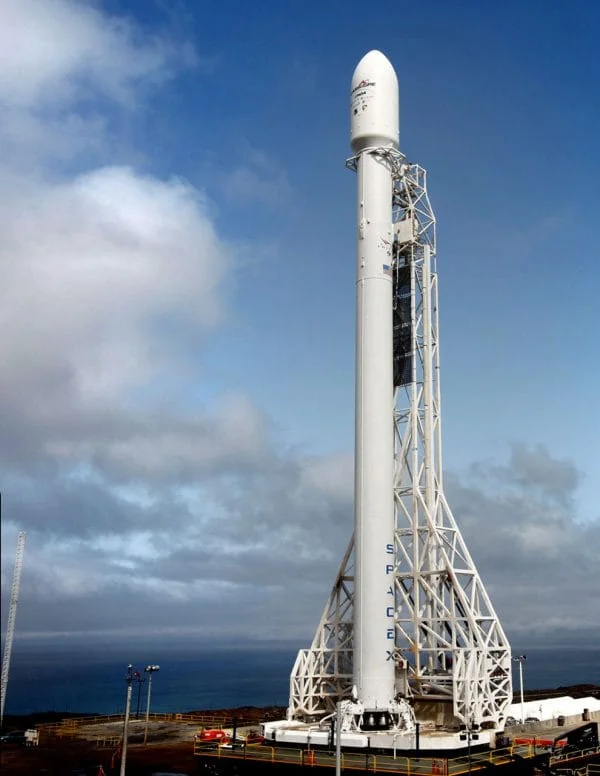
The data from Sentinel-6B is crucial. It will measure sea levels, wave heights, and ocean winds, providing data to protect coastal infrastructure and improve weather forecasting. The satellite itself is packed with sensors: Poseidon-4 radar altimeter, Advanced Microwave Radiometer for Climate (AMR-C), and a Precise Orbit Determination (POD) package. All designed to gather incredibly precise data.
The Falcon 9 booster (B1097.3) successfully returned to Vandenberg's Landing Zone 4 (LZ-4). This was its third flight. Reusability is key to SpaceX's business model, driving down costs and enabling this high launch cadence. But even reusability has limits. How many times can a booster be reliably reflown before requiring major refurbishment or retirement? SpaceX isn't sharing that data, but it's a critical factor in assessing the true cost of each launch.
The FAA imposed a curfew restricting commercial launches between 10 p.m. and 6 a.m. local time. Though meant to ease the strain of the since-ended government shutdown, it remains in effect under an updated Nov. 12 order. It's possible for launch service providers to obtain exemptions from the FAA if needed, as happened with Blue Origin's recent launch of its New Glenn rocket from Florida.
Is This a Bubble About to Burst?
SpaceX's launch cadence is undeniably impressive. The sheer volume of launches, the reusability of the Falcon 9, and the diversity of payloads (Starlink, government satellites, commercial missions) all point to a company operating at peak efficiency. But efficiency doesn't equal sustainability. The long-term consequences of a massive satellite constellation like Starlink are still largely unknown. The environmental impact of frequent launches, the potential for orbital debris, and the increasing competition for orbital slots all pose significant challenges.
It's a high-stakes game, and SpaceX is playing to win. But winning at all costs might ultimately lead to a less sustainable future for space exploration.